St. Matthew’s teaches the National Primary School Curriculum
In September 2025, the Department of Education introduced a new curriculum.
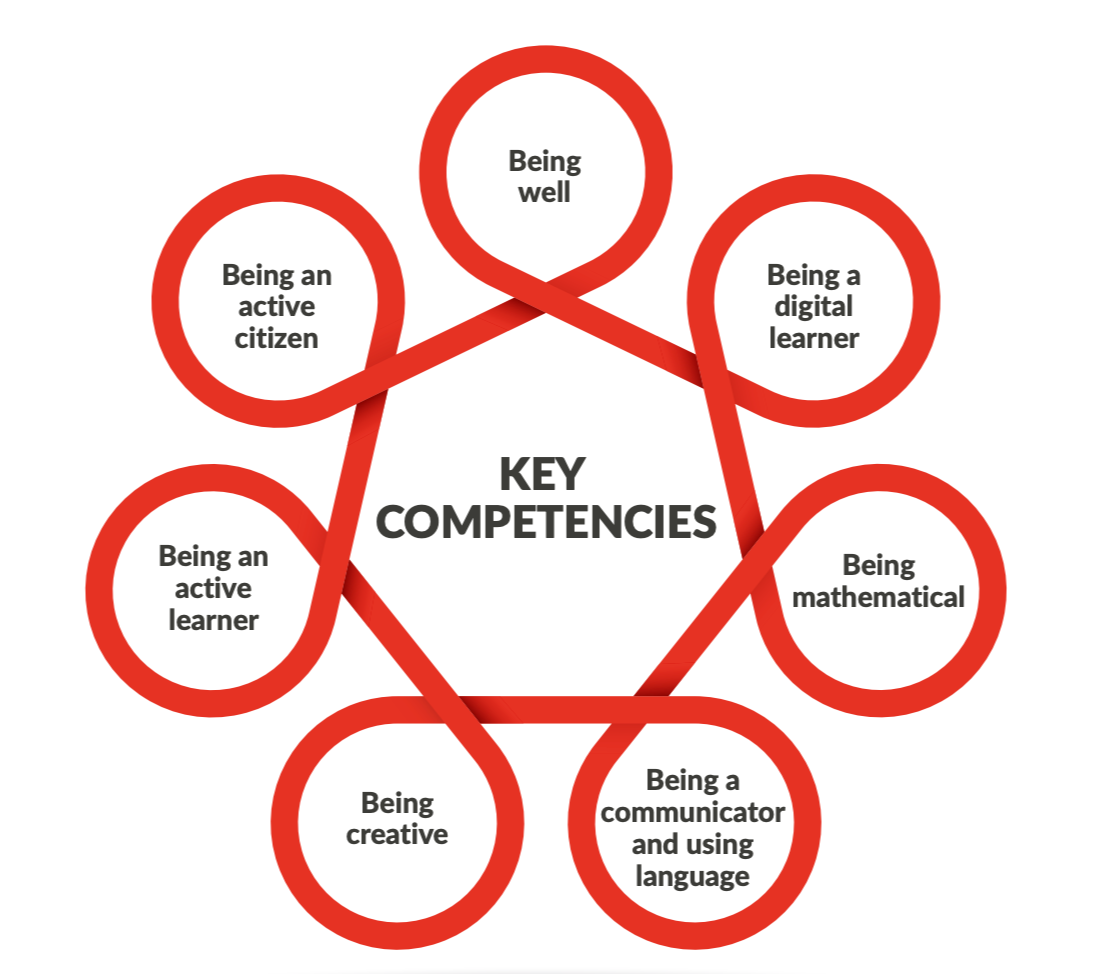
Set to be gradually introduced over six years from September 2026, it replaces the current seven broad competencies with five which reflect how children today learn and how subjects connect.
Designed to be more flexible and hands-on, the new curriculum allows us to tailor our teaching to more closely fit the needs of the children in our care.
St Matthew’s is already preparing to implement the first major changes in the 2026-27 school year.
Why is the Curriculum for Primary Schools Changing Now?
The new curriculum addresses issues like curriculum overload, which has long been a concern for both teachers and parents. It also aims to create a more flexible, engaging and holistic learning experience, with the introduction of a modern foreign language and greater emphasis on STEM, creativity and wellbeing.
The Old Curriculum
This curriculum, now being phased out, consists of 7 curricular areas, some of which are further subdivided into subjects.
Language: Irish (Gaeilge), English
Mathematics
Social, Environmental and Scientific education: History, Geography, Science
Arts Education: Music, Visual Arts, Drama
Physical Education
Social Personal and Health Education (SPHE)
Religious education - this is the responsibility of the school patron.
What’s Next?
From 2026-27, schools will gradually introduce the new curriculum
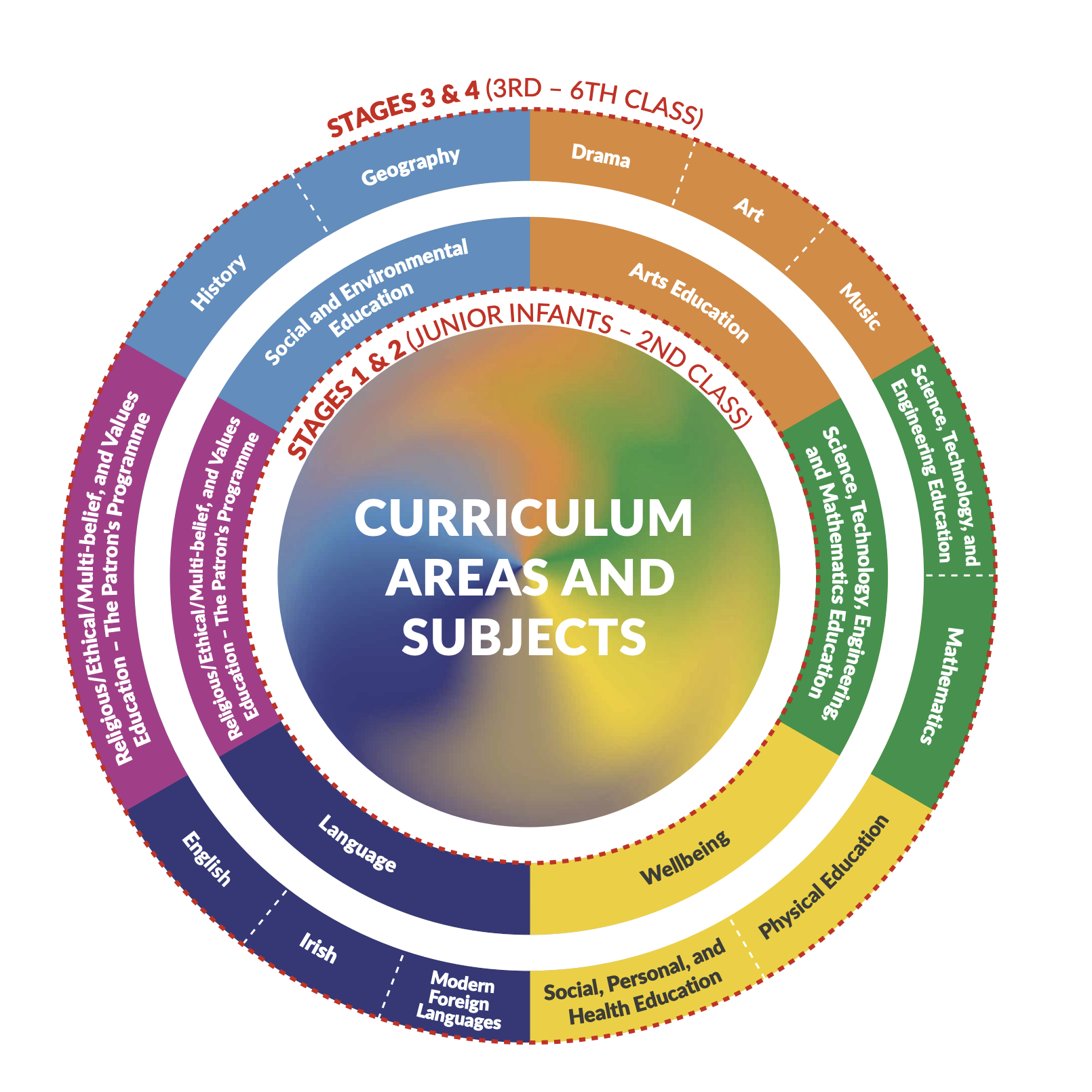
Over a period of six years, the current 7 curriculum areas will be replaced by 5 broad areas.
Arts education - Covers visual arts, music and drama. Highlights creativity, expression and confidence in the arts.
Language - Includes Irish (Gaeilge), English and, from Stage 3 onwards, a modern foreign language. We will work with parents to choose which language(s) get taught here.
Science, Technology, Engineering and Mathematics (STEM) - Encourages inquiry-based learning: exploring, experimenting and creating. Prepares children for an evolving world with many scientific and technological advances.
Social and Environmental Education (SEE) - Encompasses history, geography, environmental awareness and aspects of citizenship. Helps children understand their place in the world, both locally and globally.
Wellbeing - Combines Physical Education (PE) with Social, Personal & Health Education (SPHE) to promote children’s health, life skills and personal development. Ensures children’s emotional and physical wellbeing is a core part of their learning.