
Healthy Eating Policy
What people eat is known to be a key factor influencing health. Research indicates a strong link between diet and performance (e.g. a low sugar intake promotes concentration, lessens hyperactivity, protects teeth, and lessens the risk of diabetes. A low salt intake reduces the risk of heart disease in later life).
Please read this policy alongside the school’s Anaphylaxis Policy and other relevant plans, procedures and policies.
AIMS OF THE HEALTHY EATING POLICY
In this policy, we aim to:
Ensure children eat a healthy and well-balanced lunch
Promote the personal development and well-being of the child
Promote the health of the child and provide a foundation for healthy living in all its aspects
Enable the child to appreciate the importance of good nutrition for growing and developing and staying healthy
Enable the child to accept some personal responsibility for making wise food choices and adopting a healthy, balanced diet
We aim to host a healthy eating week annually in September in which Healthy Eating will be promoted and emphasised. When the Food Dudes Programme and other similar initiatives are available, the school will endeavour to participate.
HEALTHY LUNCH OPTIONS
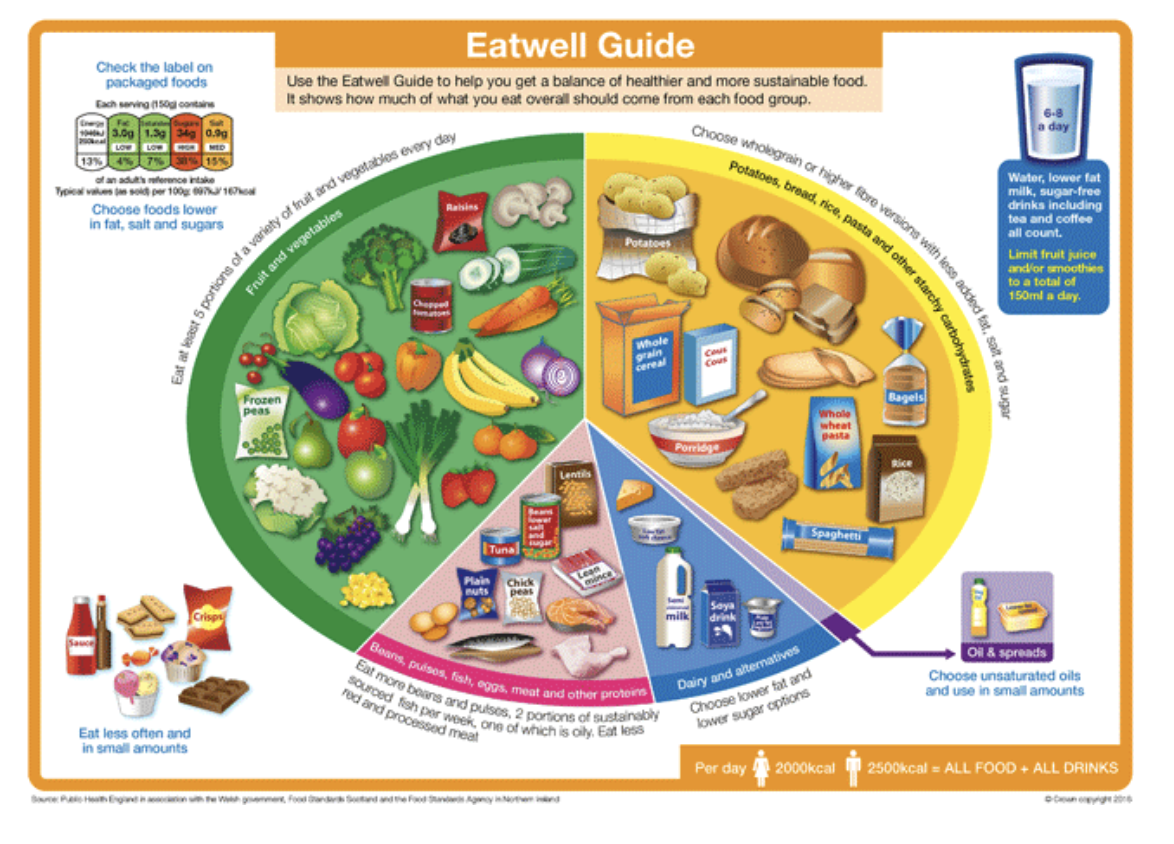
Packed lunches should be based on the Eatwell plate model (see diagram below). A full list of these ‘green foods’ is included in the appendix of this policy. You child’s lunchbox should include the following each day:
Fruit and Vegetables: At least one portion of fruit and one portion of vegetables and salad.
Non-dairy source of protein: Meat, fish, egg, beans or pulses such as lentils, kidney beans, chickpeas, hummus and falafel.
Starchy food: Bread, pasta, rice, cous cous, noddles or potatoes.
Dairy foods: Milk , cheese, yogurt (non-sweetened if possible), fromage frais
Water
Healthy fat source such oily fish or avocado should be included at least once every two weeks.
Please follow link for lunchbox ideas: http://healthy-kids.com.au/10-great-lunch-box-ideas/
WHAT NOT TO BRING TO SCHOOL
We ask that children do not bring certain foods to school. A full list of these ‘red foods’ is included in the appendix one section of this policy. Please ensure that your chid does not bring the following to school:
Snacks known to be high in sugar, saturated fat, salt, additives and preservatives, including the following:
Crisps (including crisp-style snacks)
Fizzy drinks (including fizzy fruit-flavoured water, etc)
Juices
Sweets
Chocolate biscuits/bars
Cereal bars
Chewing gum
Fruit winders
So as to take a proactive approach to healthy lunches, teachers will from time to time, reward children who can show a piece of fruit or other healthy foods in their lunchboxes.
Please note that we have a no share policy in the school in order to avoid inadvertent consumption of foods to which a child may have an allergy or intolerance. Children are also asked to eat directly from their lunchboxes.
N.B. In classes in which there are children with specific or severe allergies, such as those who might react to inhalation or touching of known food allergens, there will be additional foods that we may ask you not to bring into class. This is in the interests and safety of children within the school and will be strictly enforced. You will be advised of any such requirements by the school at the start of each school year. Reminders will be sent if needed. Please read our Allergy Policy for further information. Items that we may ask you to exclude from lunches in certain classes include, but are not limited to, the following:
Nuts (namely peanuts, almonds, macadamia, pistachio, pecan, hazelnuts, walnuts, Brazil nuts and cashews).
Foods containing nuts. E.g. pesto, peanut butters, Szechuan and Satay sauces, foods containing arachis oil, some baked goods, granola bars, fruit bars, chocolate bars, almond and hazelnut pastes, marzipan. Please check the label on processed foods, as many of these contain nuts.
Sesame seeds and products containing sesame seeds. E.g. hummus.
Please see appendix two of this policy for guidelines and tips regarding the contents of school lunches.
ROLES & RESPONSIBILITIES
Role of Parents
Provide a healthy well-balanced lunch for children
Encourage healthy eating
Inform the school of any child’s special dietary needs
To implement school policy by not allowing their children to bring chewing gum, crisps, chocolate bars or candy to school
Role of Children
To eat their lunch
To bring home any uneaten lunch
To help make their lunches and remind parents of the Healthy Lunch Policy
Not to bring chewing gum, crisps, chocolate bars or candy to school
Role of School
To promote and encourage healthy eating.
Please note that Dublin City Council provides Healthy Lunches.
Implementation
As part of the Social Personal and Health Education curriculum reasons for healthy eating will be discussed with the children regularly by staff. The Healthy Food Pyramid will be explored with children during these lessons. We endeavour to hold a healthy eating week every year.
Teachers will continue to give children a sweet treat on occasions in recognition of work done, improvements in work or behaviour and in an effort to promote positive behaviour. Sweet treats used prudently by teachers will not interfere with the health and motivation of the children.
Date of next review: March 2028